
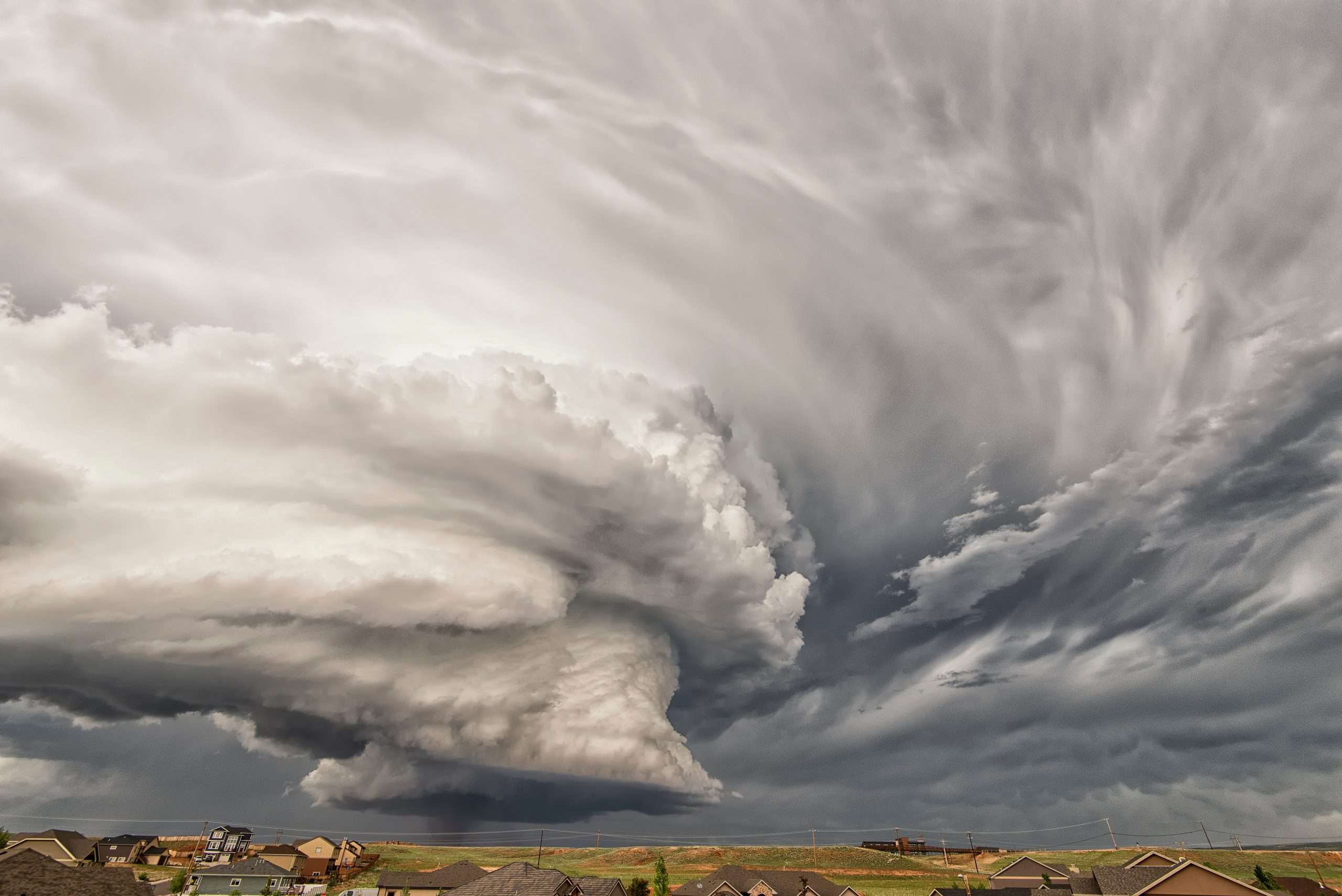


I long ago abandoned the notion of a life without storms, or a world without dry and killing seasons. Life is too complicated, too constantly changing, to be anything but what it is. And I am, by nature, too mercurial to be anything but deeply wary of the grave unnaturalness involved in any attempt to exert too much control over essentially uncontrollable forces. There will always be propelling, disturbing elements, and they will be there until, as Lowell put it, the watch is taken from the wrist. It is, at the end of the day, the individual moments of restlessness, of bleakness, of strong persuasions and maddened enthusiasms, that inform one’s life, change the nature and direction of one’s work, and give final meaning and color to one’s loves and friendships.”
— Kay Redfield Jamison, An Unquiet Mind (1995)
We all have good days and bad days. Everyone’s mood shifts with circumstance, season, loss, and joy. But for some of us, many of us in recovery, the shifts are not gentle dips and rises. They are weather systems. Depression arrives like a fog that settles in for weeks, making the simplest tasks feel impossible. And then, sometimes without warning, the sky clears into something almost too bright: energy without rest, ideas without pause, confidence that outruns the facts.
For years I thought I just had an “addictive personality.” The truth was more complicated. I am diagnosed with ADHD and bipolar disorder. In depression, I feel hopeless, exhausted, withdrawn from everyone I love. In hypomania, my thoughts race, sleep disappears, and I make impulsive decisions I later regret. I leaned on stimulants because they let me escape into hypomania—a coping strategy for depression that backfired. These conditions are still here. They don’t disappear when I put down substances; they wait underneath, ready to sabotage my recovery unless I face them.
When my bipolar is unmanaged, the risk of relapse goes up dramatically, so medications became essential. Finding the right ones took trial and error, brutal honesty with my doctors, and persistence. Some made it impossible to function. Every time I stopped suddenly without supervision, it ended badly. Eventually I found a combination that seems to help, but medication is only part of the picture. They open the window, but I have to walk through it.
What keeps bipolar going? Psychologists have identified four traps. Sleep disruption is the most common trigger. Even when my mood is stable, rest is elusive. Changes to routine destabilize me in both directions—during hypomania I might not sleep for days, which only fuels the mood higher, and during depression I stay in bed too long or lie awake for hours.
The other traps are subtler. Overconfidence fuels the boom and bust cycle. I see vivid images of success, feel certain I can accomplish anything, refuse to listen to the people trying to warn me. Then I crash hard when reality doesn’t match the vision. Perfectionism drives me to overwork until I collapse, and the harsh self-criticism that follows only deepens the depression. And there are coping strategies that backfire: chasing highs, trying to induce hypomania because it feels productive, ruminating on every mistake.
The solutions aren’t complicated, but they require vigilance. I have to protect my sleep, recognize warning signs before they become full episodes, learn the patterns so I can interrupt them before they take over. Perhaps the deepest insight is that I can’t do this alone—I don’t manage bipolar by myself any more than I recover from addiction by myself. I need people around me who will tell me the truth, who know my relapse plan, who can see the weather changing before I can.
What weather patterns do I carry that I’ve mistaken for personality?
Where has the swing between too much and too little cost me—in relationships, in work, in trust?
What would it mean to stop waiting for the storm to pass and start learning to read the sky?
Who in my life can I trust to tell me when the weather is changing?