

The whole idea of reading as a pastime has somehow dropped off my life menu, and the time I used to spend in fictional worlds is now spent incessantly refreshing the news. I sometimes still try to kid myself into believing that this pointless consuming of current affairs is important for my understanding of reality and even for my survival. But deep inside, I know that the momentous piece of news—the one that will supposedly pull me out of the deep pit I’ve fallen into—will never come, and all my endless refreshing and scrolling is just another stage in outsourcing my emotional world. After all, it’s a lot easier to wait for updates from a dismaying reality than to listen, feel, and submit to someone else’s imagination and hopes.”
— Etgar Keret, “Alphabet Soup” (Substack)
I’ve noticed a pattern in me. There are times when anxiety rises—work pressure, a dreaded social commitment, some family situation I can’t control—and instead of feeling it, I’d freeze. And more often than I like to admit, I reach for the news.
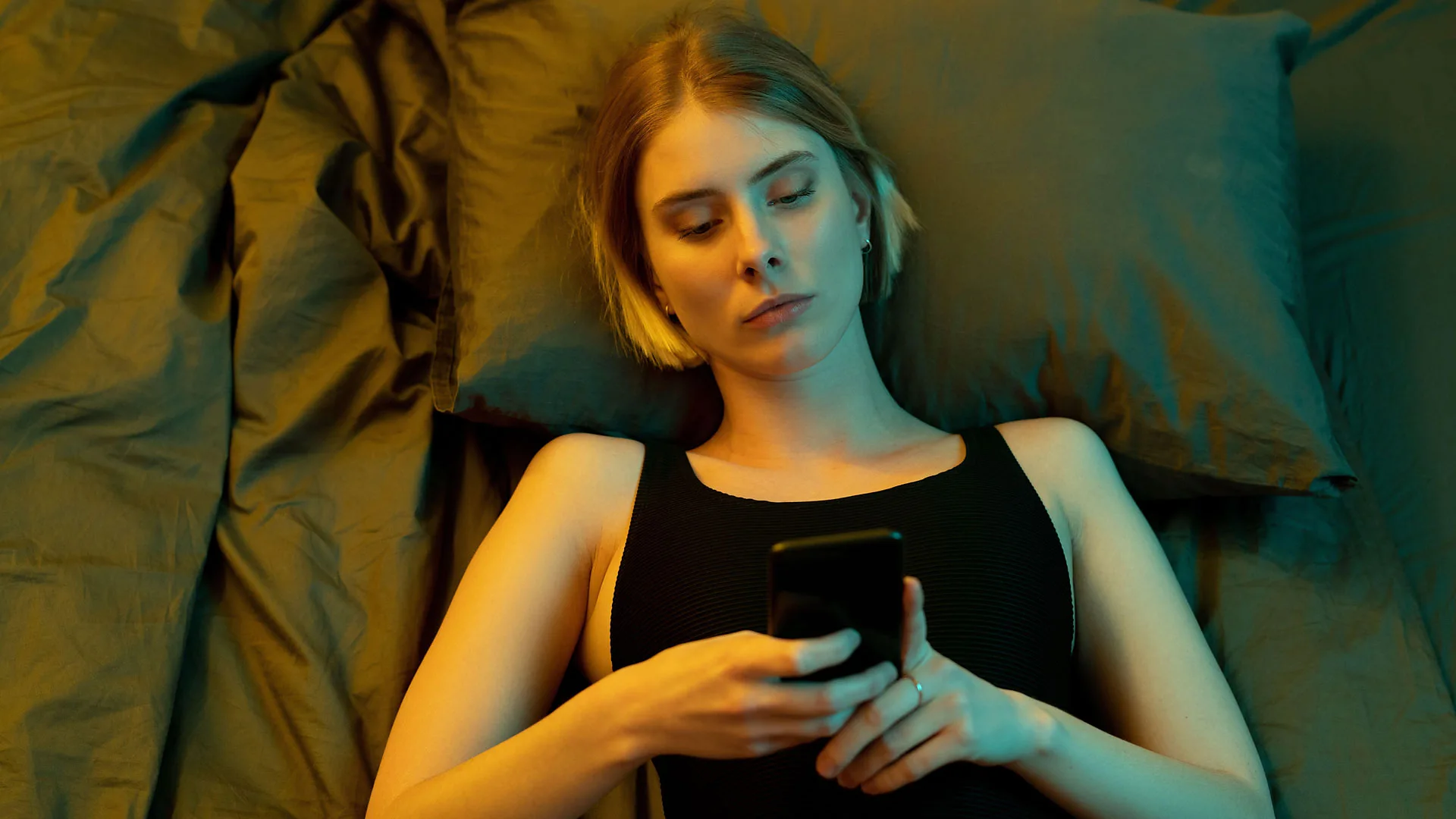
COVID was the worst. I had an excuse to stay inside, to isolate, to call my obsession with case counts “staying informed.” That’s when I learned how catastrophe can become a kind of companion. The Freedom Convoy blocked Ottawa, and I watched. Russian tanks rolled into Ukraine, and I watched. The Hamas attack, the months of destruction that followed—I watched it all. I had strong opinions, righteous positions, even when the conflicts were thousands of miles away. BBC, CBC, CNN, Al Jazeera, toggling between them, consuming short video clips like they were dopamine fixes. I would stay up all night, tell myself I’d sleep after one more refresh, and watch the sun come up with my eyes burning, my mind numb, and my chest tight.
The more I watched, the more I needed to watch. And the more I consumed, the worse I felt. Racing thoughts, shallow breathing, a low hum of dread that never lifted. My sleep collapsed. My mood darkened. I withdrew from people. More than one of my emotional relapses and depressions began this way. The isolating, the obsessing, the screen glow at 3 a.m.
Etgar Keret, Israeli short story writer and son of Holocaust survivors, argues that for some of us this isn’t really about staying informed. It’s about outsourcing our emotional world. I find it easier to refresh a feed than to sit with grief. Easier to consume someone else’s outrage than to feel my own helplessness. Easier to scroll than to submit to imagination and hope, which require something of me, which ask me to feel.
The antidote isn’t willpower or self-criticism. It’s awareness, and a reorientation toward what recovery actually asks of me. The book Alcoholics Anonymous says, “We absolutely insist on enjoying life. We try not to indulge in cynicism over the state of the nations, nor do we carry the world’s troubles on our shoulders.” Recovery isn’t about becoming dour or burdened by everything wrong in the world. It’s about reclaiming the capacity for joy, which means refusing weight that isn’t mine to bear. That doesn’t mean putting my head in the sand either. The world’s troubles are real, but shouldering them just makes me unavailable for the life and service right in front of me.
I cannot control a convoy, an invasion, or a bombing. But I can notice the trance as it begins, the moment anxiety spikes and my hand reaches for the phone. I can recognize the body signals. The tension, the clenched jaw, the glazed disconnection. And then, with some gentleness, I can set it down. The world needs people who are present and capable of action—not people who’ve scrolled themselves into oblivion.
Am I using the news to avoid my own life?
What joy am I trading for dread, and what would I have to feel if I stopped?
Is this keeping me from the people right in front of me?
Can I set it down before sunrise?