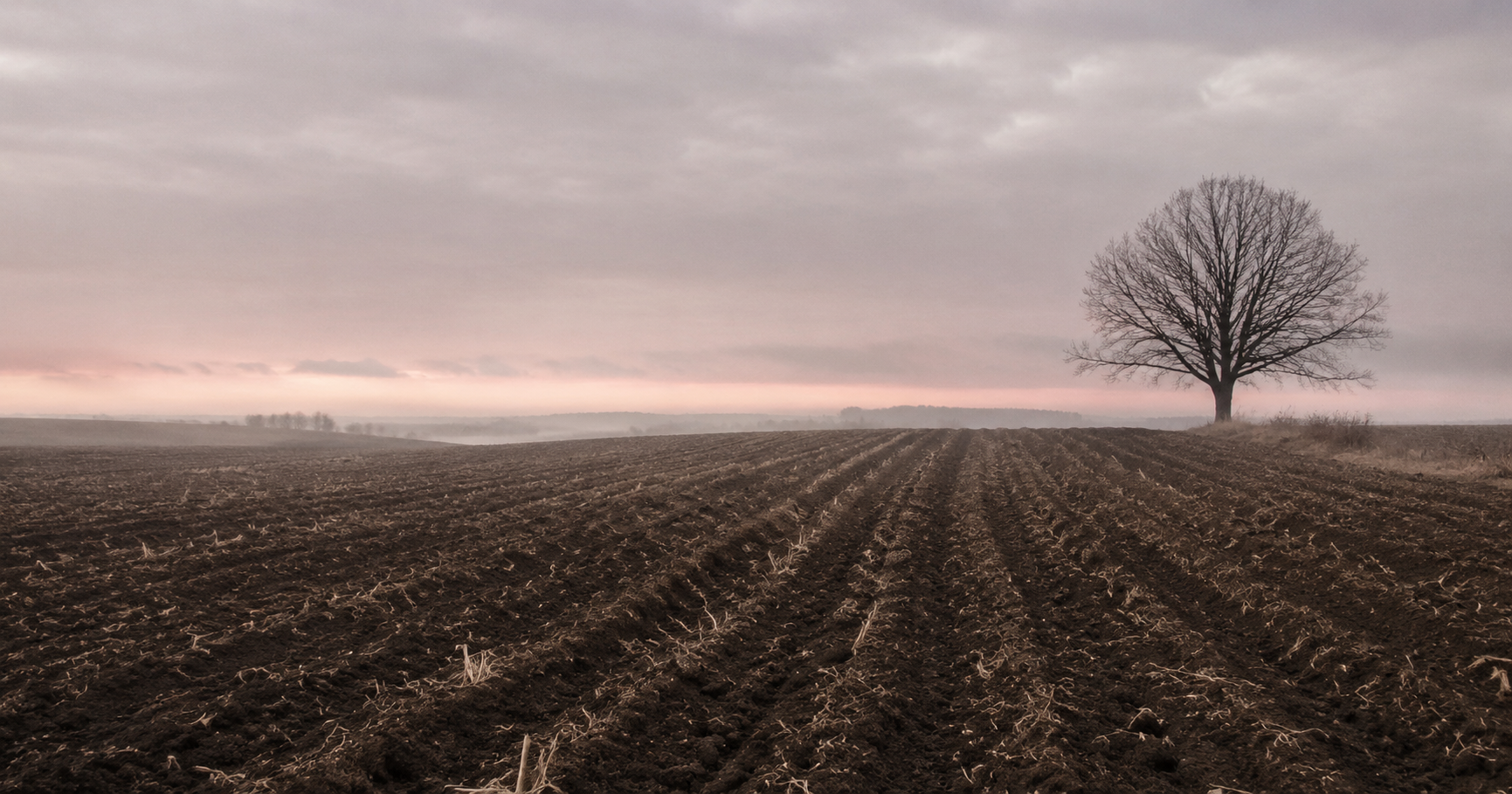



The true opposite of depression is not gaiety or absence of pain, but vitality: the freedom to experience spontaneous feelings. It is part of the kaleidoscope of life that these feelings are not only cheerful, “beautiful,” and “good;” they also can display the whole scale of human experience, including envy, jealousy, rage, disgust, greed, despair, and mourning.
— Alice Miller, The Drama of the Gifted Child (1981)
Alice Miller was a Swiss psychologist who explored how childhood emotional adaptation shapes adult life. In The Drama of the Gifted Child, she argued that the strategies children develop to survive emotionally can become, in adulthood, the very thing that keeps them from living fully.
Some of us grew up in homes that looked fine from the outside. Our parents were caring and well-meaning, but often unable to give what they had never received themselves. We were praised for maturity, capability, and sensitivity to others. We did well in school, helped around the house, and caused little trouble. Miller called this child “gifted,” not because of talent but because of an extraordinary ability to adapt to what the environment required. The gift was survival. The cost often appeared later in depression without explanation, emptiness behind accomplishments, and the feeling that life is happening somewhere just out of reach.
Many of us spent years trying to feel better without understanding what was happening inside us. We reached for substances, busyness, or the approval of people who could never quite give us what we needed. When none of it worked, we assumed something was wrong with us. Miller suggested something different. The problem was not that we felt too much, but that we learned very early not to feel at all.
She called the mechanism repression. A child who depends completely on the adults around them will do whatever is necessary to protect that bond. When those adults cannot tolerate emotions like anger, disappointment, protest, or grief, the child learns quickly that expressing them threatens the relationship on which survival depends. Those adults were often not indifferent. They were carrying what had never been processed in them, unable to tolerate in their children the feelings they had never been allowed to feel themselves. What gets pushed out of awareness, Miller notes, can include not only anger and sadness but discontent, protest, and even the enjoyment of one’s own body.
This adaptation is difficult to recognize later because it was usually rewarded. Some of us became the reliable one. We became the child who stopped crying, swallowed anger, and buried loneliness so completely that adults called it maturity. Miller observed that these children were often helping capably with younger siblings before they even had language for their own needs, while their inner world went entirely unwitnessed. The repression looked like strength because, at the time, it kept us safe.
Repressed feelings do not disappear. They accumulate and often find two exits. Some collapse inward into depression: heaviness, numbness, emotional flatness. Others inflate outward into grandiosity: the drive to achieve, to be admired, to stay on top. Miller saw these not as opposites but as reflections. Grandiosity defends against depression, and depression defends against the deeper pain over the loss of the self. The crash after inflation is the buried emotions beginning to surface.
Miller saw this in therapy. Patients would arrive heavy and flat and leave in tears but visibly lighter. The depression had not been treated. It had delivered its message. The numbness was not the wound but the signal that the wound was close. The true self, she wrote, remained unconscious and undeveloped in its inner prison.
What restores vitality is not insight alone but mourning. Mourning what was actually missed, and mourning the illusion of the happy childhood we were told we had. When that illusion can be grieved rather than defended, the repression that sustained it begins to loosen. What emerges is not a return to the past, but the beginning of a life that can finally be lived in the open.
Where do I notice myself managing feelings rather than experiencing them?
What emotions may be asking for my attention?
What small step might allow those feelings to be felt safely?
What becomes possible when more of my emotional life is allowed into the open.