

“I change best by feeling good, not by feeling bad.”
— BJ Fogg, Tiny Habits (2019)
BJ Fogg asks people to write that line on a scrap of paper and tape it to the bathroom mirror. He also admits he avoids his own reflection first thing in the morning. So do I. The mirror is the last place I look for encouragement.
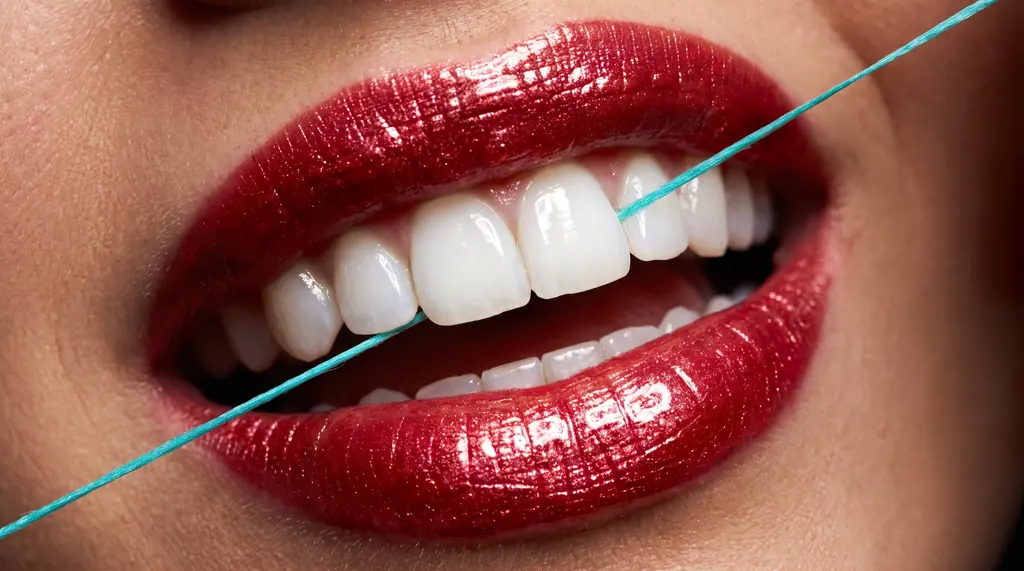
He is a behaviour scientist at Stanford, and for years he could not make himself floss. His hygienist scolded him at every cleaning. So he set the rule so low it was almost a joke. After brushing, floss one tooth. Anything more was extra credit. Within two weeks, he was flossing all of them twice a day.
The floss came out of the worst year of his life. Fogg’s nephew Garrett had come through rehab and was months into recovery when he died of an overdose. Fogg’s new business was failing too. He was up at three a.m. watching puppy videos. One morning, sure the day was about to come apart, he picked up the floss and told himself that even if everything else went wrong, he was not a total failure. At least he had flossed one tooth. He smiled at the mirror and said one word. Victory. Something warm opened in his chest where the tightness had been. Then he worried he was losing it, feeling better over dental floss.
When something small goes right, part of me rushes in to shrink it. I am learning to let the good moment stand.
He describes motivation as a wave. It lifts us, and we decide this time everything will change. Then the wave pulls back and leaves us on the rocks, wondering why we failed again. I live with bipolar disorder, so nobody needs to explain the wave to me. When I wrote Whack-A-Mole, I was building three websites at once, never leaving my bed, and calling it productive. The busyness felt like progress, but it was just another way of not showing up for my life.
A woman named Sarika, who also lives with bipolar disorder, could not hold a routine until she shrank it to three breaths on a pillow and turning on the stove burner. Only the burner. On rushed days, she switched it on and off again, and that was the whole habit. It counted. I have trouble with that part.
His research found that adults have plenty of ways to say they did a bad job and hardly any for a good one. I am fluent in the first language. Shame has been coaching me for over fifty years. Its method is to shout until I move and shout louder when I collapse, and mostly what it has built is the bunker.
Fogg is careful to say his method is no answer to serious addiction. A flossed tooth will not keep me from picking up. The rooms do that, with a sponsor and a phone I sometimes cannot lift. But he also says bad habits do not break. They untangle, one loose knot at a time, starting with the easiest one. That sounds a lot like just for today.
This week was my two-year anniversary of being “back.” Not a great six months. But I am still here. AWAKENINGS is on an extended hiatus, and the way back cannot be another flood. My lifestyle coach pointed me to Fogg. She keeps reminding me that resistance is normal. This week she has me experimenting with small changes early in the morning, enough to shake up my routines and bank a few wins. When I wake up, I clap my hands to celebrate and say, “It’s a new day!” Each day I will try one tiny new challenge, something to feed my mind, and when I finish it, I will say, “I did it!” Fogg would call both celebrations.
Some mornings the clap will be real. Other mornings it will be half-hearted, and Fogg would say that still counts. I am trying to believe him, one tooth at a time.
Where am I waiting for a wave before I begin?
What is my one tooth today?
What would it mean to count one small thing as a success instead of more evidence that I am behind?
Where has shame been doing the coaching, and what has it actually built?