

I wear this crown of thorns
Upon my liar’s chair
Full of broken thoughts
I cannot repair
Beneath the stains of time
The feelings disappear
You are someone else
I am still right here
— Trent Reznor, “Hurt,” Nine Inch Nails, The Downward Spiral (1994)
Patrick Carnes describes addiction as more than a behaviour. In Out of the Shadows, he says, in plain terms, that addiction replaces real relationship with a sick attachment to a process, an event, a ritual, a way out.
It matters to me because I have learned to manage depression with behaviours. My bipolar cycles have their own weather, but somewhere along the way I learned how to survive that weather by reaching for something that could change my state. Sex. Food. Caffeine. Work. AI. The object changes. The relationship does not.
In the rooms, we often define addiction by the substance. That makes things cleaner. Easier to measure. Easier to announce. I can say I am clean and sober, and technically I am. But the rituals have not stopped. They have only become more respectable. That may be part of the lie.
That idea is like a light turned on in a room I had been avoiding. I am here, in my bedroom, my bunker. The computer I could use to work, without even showing my face, is in the other room. The yoga studio is down the street. Friends in the fellowship are a call away. So many texts to return, in fact, the phone has become its own wall.
The funny thing is, I still do not know exactly what triggered it. Stress at work, yes. My aunt dying, yes. Quitting vaping, my favourite dopamine hit since coming back to recovery, most definitely. The weather, dramatically. My mental health, of course. It usually comes down to that. But underneath all of it is the blocky block, the box inside me that encompasses certain people, places, and things I cannot face. Every time I see it, smell it, taste it, feel it, I am flooded with shame, regret, anger, hatred, all of it aimed back at myself. So I run.
This time it started with sex, my usual exit. At that moment, I could easily have landed on the Molly mole. I know that. Instead, I ordered takeout. That was better. It may even have been grace in its plainest form. But the hungry hippo still ate all the marbles.
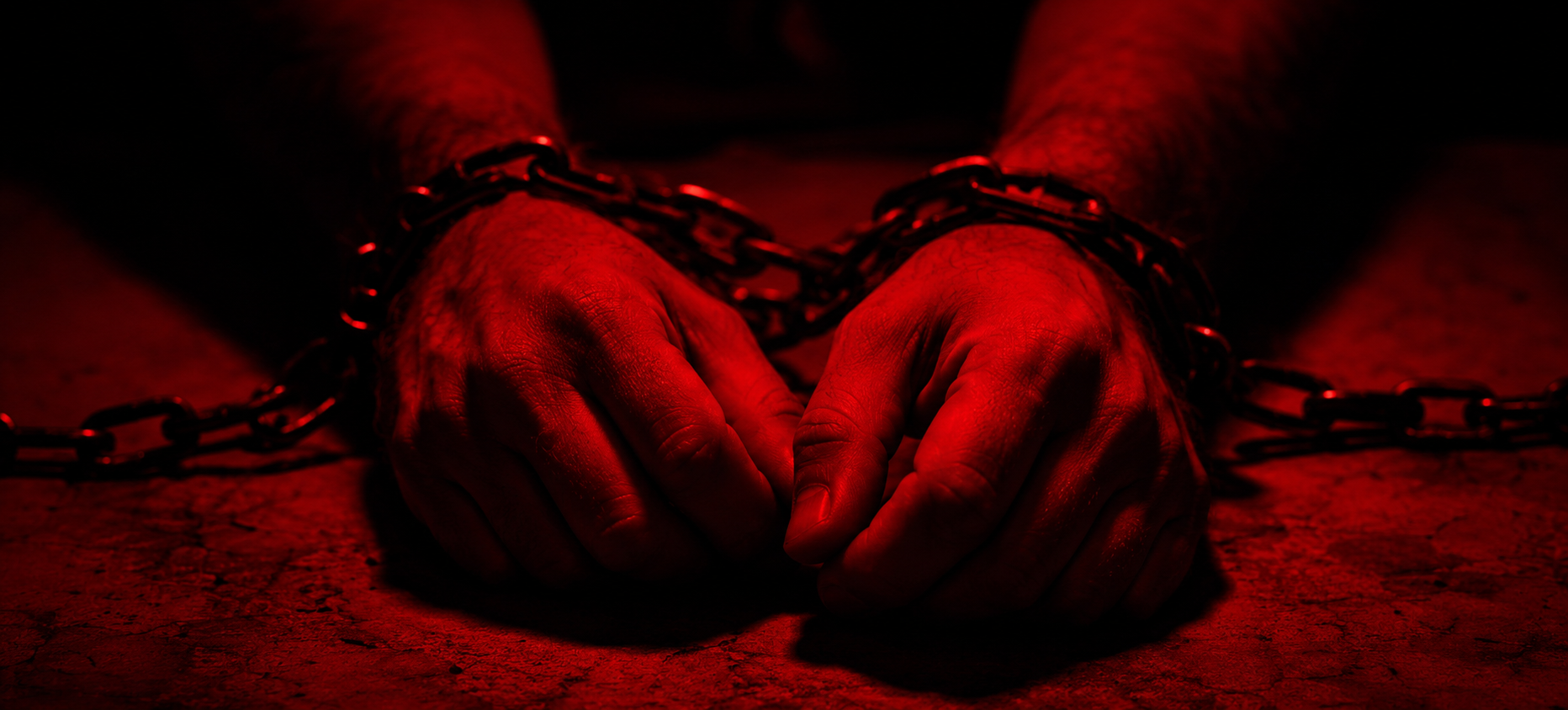
So now I hide in the machine. I make myself horny, hungry, busy, elevated. I push my thoughts so fast my fingers can barely keep up. No nicotine. No problem. A twelve-pack of Coke Classic will do. The three websites I am working on simultaneously are so great at not being absolutely flawless. Oh, I cannot step away now. I am on the precipice of perfection. This is the bondage of self, handcuffed to this bed inside my mind.
The odd thing is that this is also when I can feel most creative. I produce massive amounts of things that may never see the light of day. My mind explodes with ideas, as if it is trying to blast its way out of the depression by making more, faster, brighter. Some might call it psychosis, who am I to judge? It is not nothing. But it is not freedom either.
This is the real Whack-A-Mole. One thing goes down and another comes up. Carnes describes the addictive cycle as preoccupation, ritualization, compulsion, and despair. First the mind narrows. Then the little preparations begin. Then the behaviour feels less chosen than entered. Then comes the low place afterward: shame, exhaustion, the familiar promise that this was the last time. Then the old discomfort changes shape.
There are birds outside this morning, black silhouettes starting to sing me back into the present. I close the window. Shut up. I order food. Trash gathers by the door. My calves are so tight from staying still that the stairs feel like Purgatory. My extra weight makes me self-conscious enough that sometimes I choose not to eat rather than go down to meet the delivery driver. None of it makes any sense. That is the only way I know I am in it.
And still, I can walk outside and dance. I can go to the NAC with my mother and laugh. I can sit in a meeting it took me five hours of heavy breathing to attend and smile and wave like I have not been hiding. I have had over fifty years of practice at this fancy face. The hidden life knows how to pass. But if someone asks how I really am, if they get too close to the wall, I recoil. I shut down or I run. I am so tied to the escape, and so anxious about slowing down, that being seen feels like a threat.
So what if I had hurt myself today? What if I had let myself feel? Tomorrow may be OK. Or not. That uncertainty is not a reason to keep hiding. It is where recovery usually starts for me: not fixed, not inspired, not suddenly brave, just honest enough to stop pretending the game is working. We interrupt the ritual before it carries us. We tell someone before the hidden life becomes more real than the public one. We stop calling motion recovery just because it is not the thing that almost killed us.
Am I recovering, or am I only changing the shape of my escape?
What am I defending because it is better than the worst thing?
Where has my world become smaller while I called it productive?
What is the next honest action that would bring me back into my body, my work, and my relationships?