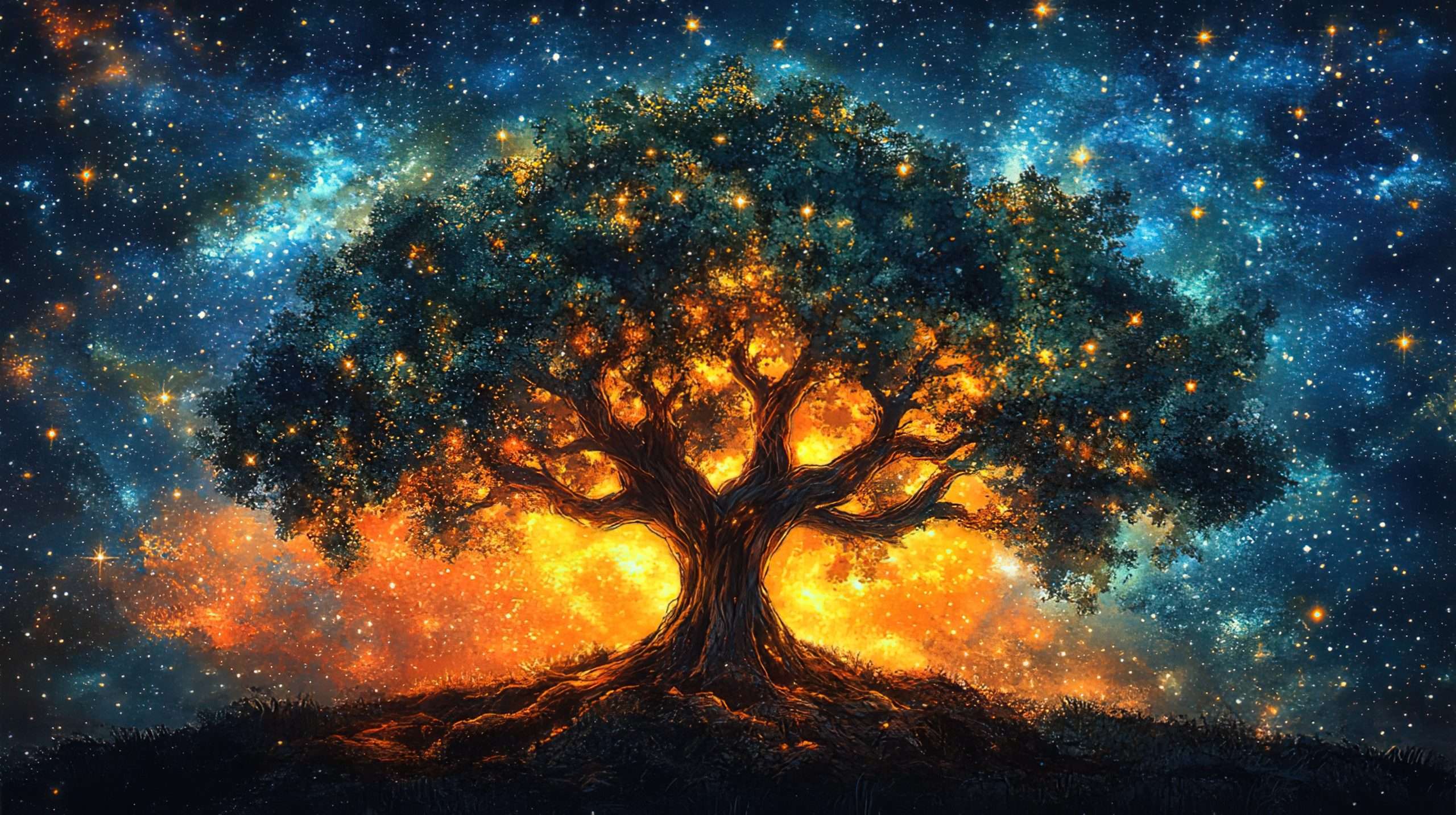


“Wisdom and spirituality unfold in the same manner as a tree grows. Nature is steady and gradual. The world of yoga, with its myriad styles and approaches, may be likened to a forest filled with variety and color. Every tree in a forest has the same goal: to reach toward the light. One tree’s method is not better than another’s. Each species has individual characteristics which enable it to grow to its greatest potential. The various yogic systems are unique, yet all have the same purpose: to grow toward enlightenment.”
— David Swenson, Ashtanga Yoga: The Practice Manual (1999)
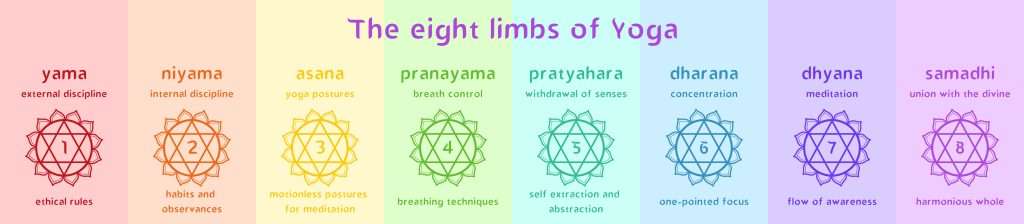
David Swenson, one of the first Western students of Ashtanga Yoga trained by Sri K. Pattabhi Jois in Mysore, India, bridges discipline and humility, reminding us that yoga isn’t a performance — it’s a relationship. In his most quoted line, “99 percent practice, 1 percent theory,” he speaks to his belief that understanding must be lived, not thought into being. Swenson’s work embodies the Eight Limbs of Yoga outlined by Patanjali — from ethical living and breath control to meditation and union. These limbs are not a ladder to climb but interwoven roots of the same tree.
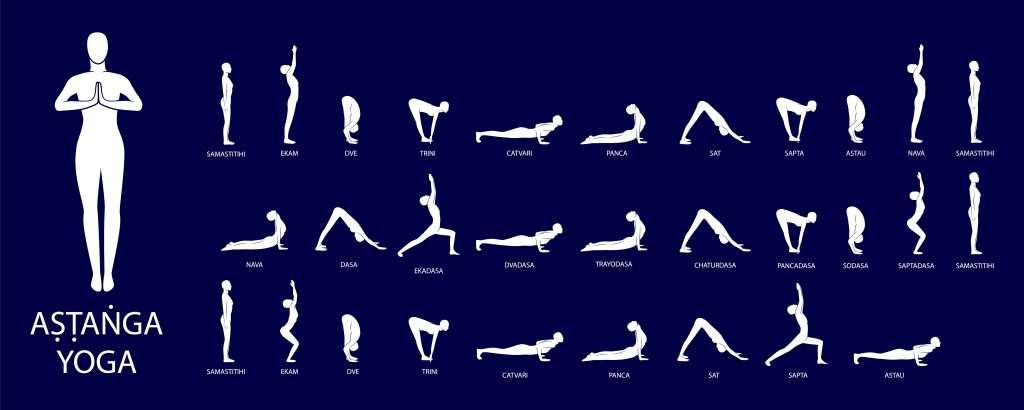
The purpose of yoga, he teaches, is not to perfect a pose but to perfect our presence. His frequent reminder — “If you can breathe, you can do yoga” — holds the heart of his philosophy: inclusivity, adaptability, and compassion. For him, yoga is a moving meditation, a rhythmic dialogue between breath and body. He also teaches through humor and gentleness, suggesting we approach practice like a child at play — curious, open, and unafraid to fall. That playfulness is spiritual maturity: the ability to meet ourselves honestly without judgment.
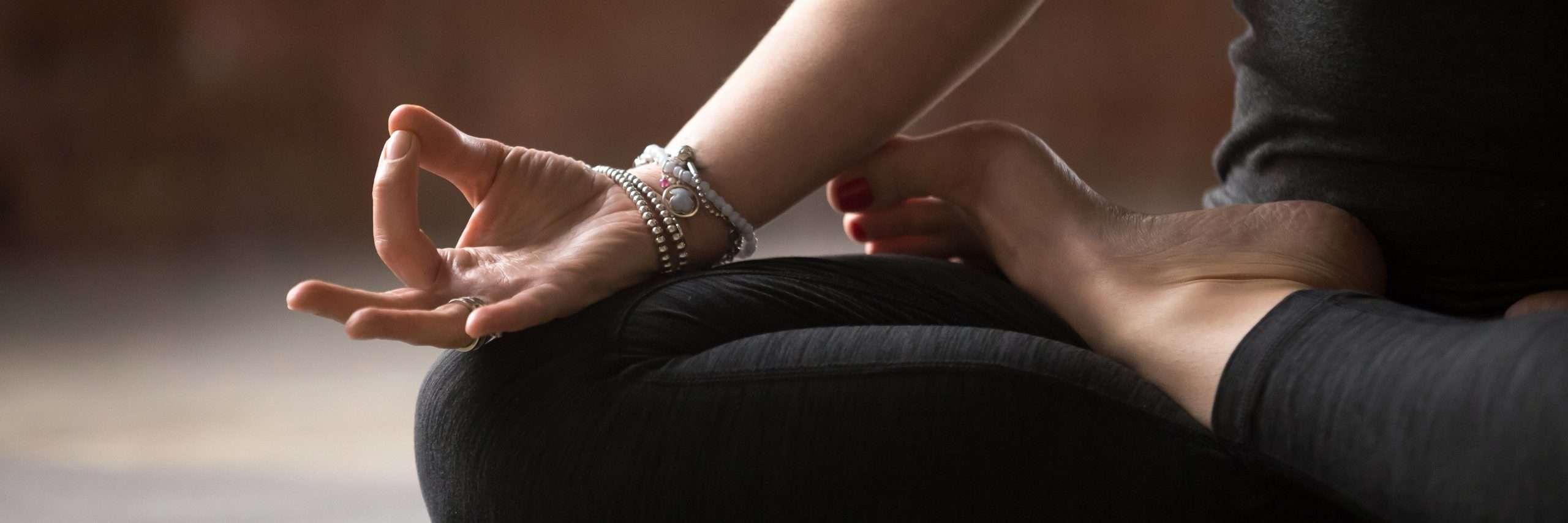
This philosophy creates space for all bodies and minds. For someone with a restless mind, this approach is liberation. Sitting still in silent meditation can feel impossible — like trying to quiet a thunderstorm with a whisper. But yoga meets me in motion. Through movement, I find my breath; through breath, I find stillness. The sequence gives my restless mind something to hold — a rhythm to follow, a pattern to trust. What once felt like chaos begins to harmonize.
As he often says, yoga is about union, not escape. The mat is a mirror for life: how I respond to frustration, imbalance, or fatigue reflects how I live off the mat. This practice becomes a living expression of Step 11 — seeking through meditation to improve conscious contact with something greater than ourselves. For those who struggle with traditional seated meditation, yoga offers another door: a way to connect through the body, to listen with the breath. Serenity isn’t found by fleeing discomfort but by standing in it with awareness and breath.
Some days, my practice feels effortless; others, heavy as stone. But the forest doesn’t rush its growth. Every tree bends, breaks, and reaches in its own way — and still, it grows toward the light. Progress isn’t measured in achievement but in devotion — in the quiet willingness to return, again and again, to the mat, the breath, the moment.
Like the forest, I keep reaching toward the light.
How can I honour my own rhythm of growth today — steady, imperfect, and alive?
In what ways can I let movement become my meditation when stillness feels unreachable?
What would it look like to treat my practice — and my life — with Swenson’s lightness and humor?
How can I remember that every breath, every stumble, and every return to the mat is part of growing toward the light?