

Among the thirty-five thousand people who ran the New York City Marathon were sixteen former drug addicts, a number of whom joked openly that they’d spent most of their lives “running from the cops.” When they crossed the finish line, the distance they had come was far greater than 26.2 miles.
— John J. Ratey, MD, Spark: The Revolutionary New Science of Exercise and the Brain (2008)
John Ratey is a Harvard psychiatrist whose book Spark examines what exercise does to the brain across a range of conditions—anxiety, depression, aging, and attention deficit. His chapter on addiction argues that the neurological damage substance use causes is something physical activity can directly repair.
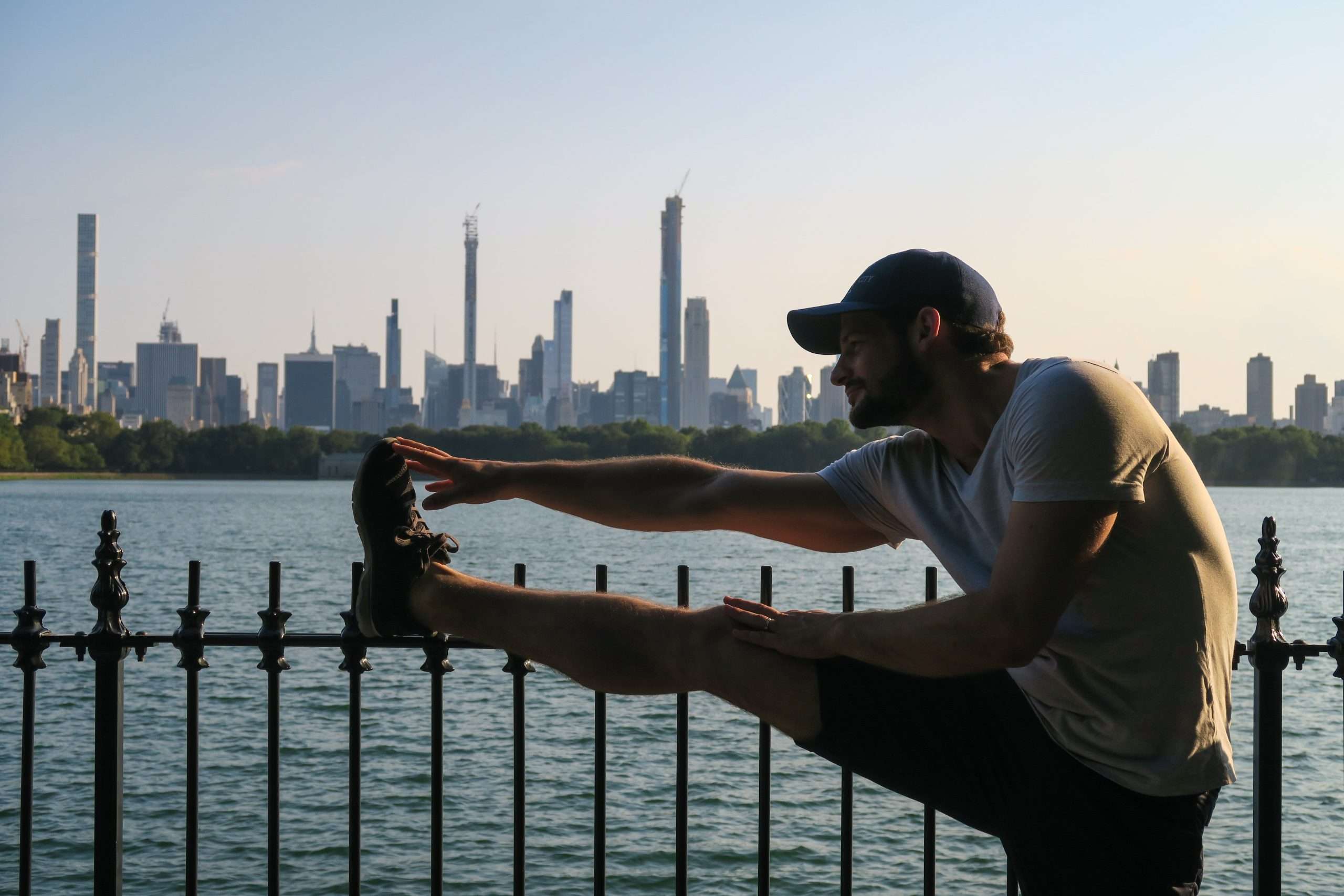
One of his case studies was Odyssey House, a New York rehabilitation program operating since the late 1960s, serving people living in recovery, many of whom arrived from prison or from the streets. In 2000, a staff member began taking residents to Central Park under a program called Run for Your Life. They started by walking and built up to running around the reservoir. Those who became serious runners stayed in treatment twice as long as those who didn’t.
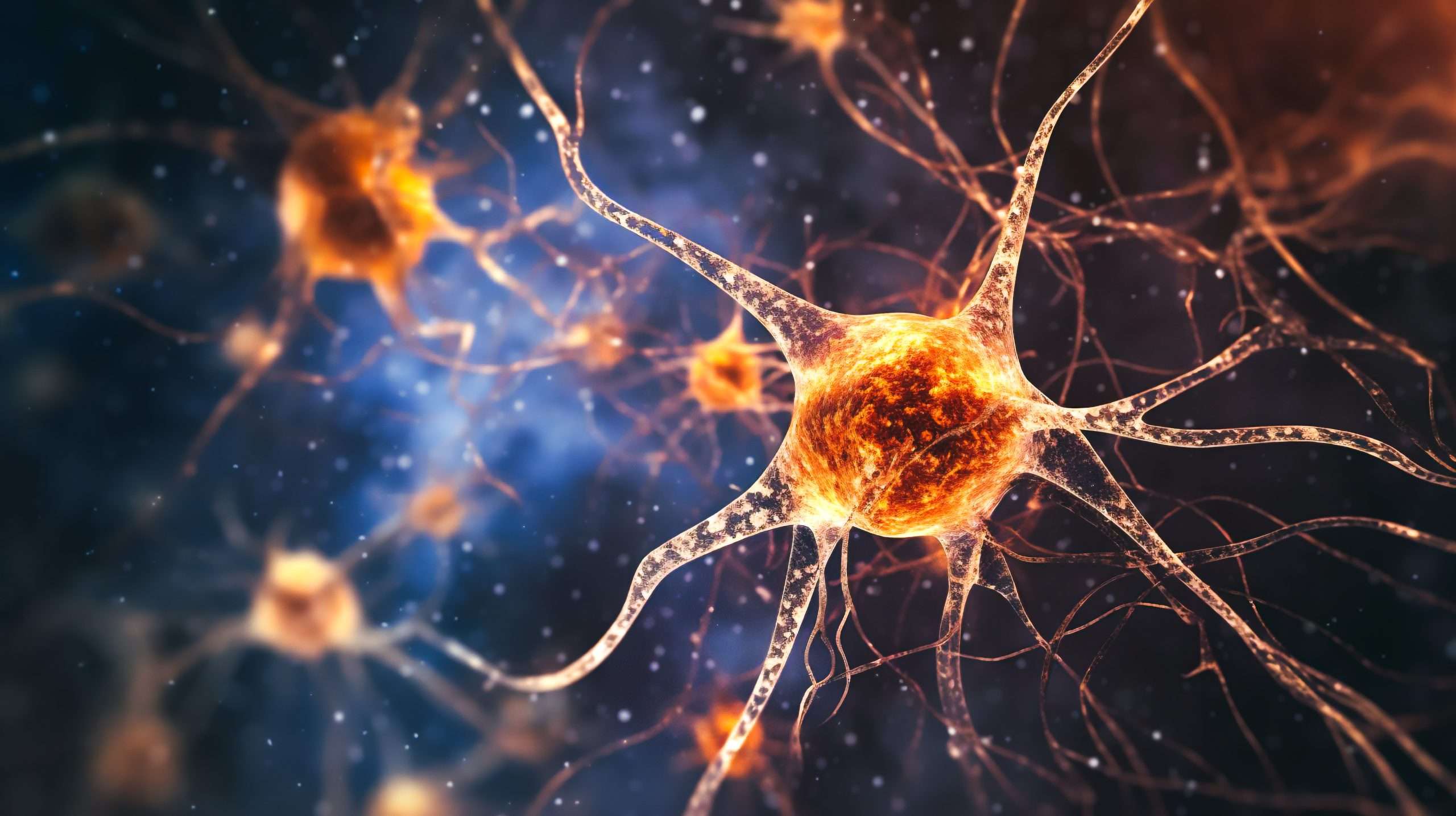
Addiction fundamentally alters the brain’s reward system. Understanding why movement helps means looking at what that damage actually is. The nucleus accumbens, the cluster of neurons responsible for registering motivation and desire, gets flooded by drugs at levels it was never built to handle. Alcohol, cocaine, heroin, crystal meth—and even behavioural addictions like gambling and compulsive eating—all work through the same mechanism. Each one boosts dopamine far beyond what any natural experience produces. That flood drives compulsive seeking regardless of whether the substance still brings any pleasure, reinforcing the memory and pushing everything else further into the background. The brain has learned something too well, and other stimuli simply can’t compete.
Physical activity works on this from two directions simultaneously. From the top down, it forces the brain to adapt to a new stimulus and appreciate experiences that aren’t the substance. From the bottom up, it physically blunts the urge to use by engaging the more primitive elements of the brain. Central to this process is BDNF, or brain-derived neurotrophic factor, which Ratey calls Miracle-Gro for the brain. Aerobic effort triggers its release, nourishing neurons and rebuilding the synaptic infrastructure that years of use have eroded. Over time it builds what he calls synaptic detours around the well-worn connections looking for the next fix. The substance created an autopilot. Exercise begins to install a different one.
Ratey is clear that intensity matters. The Odyssey House residents started walking and built up to running 1.58 miles around the Central Park Reservoir, eventually training for races. Sustained effort drives the heart rate up, triggers neurotransmitter release, and instills what he describes as a more diffuse sense of well-being—one that won’t replicate the immediate rush of a substance, but that over time becomes a craving in its own right.
Somewhere in the early months of consistent effort, ordinary life starts to register again. A meal tastes like something. A conversation holds attention. A morning arrives that doesn’t feel like something to survive. This is dopamine sensitivity returning, the reward system slowly recalibrating to a life that doesn’t require a substance to feel real. All the other work of recovery—working the Steps, being of service, building a community—depends on a brain that can feel motivated and engaged.
The neurological capacity to rewire through movement belongs to anyone whose brain has been altered by what they put into it. A walk that gets the heart going. A swim. A bike ride. The brain doesn’t require a finish line. It requires repetition and a new design for living.
What has movement made possible in my recovery that nothing else could reach?
Where in my body does the evidence of repair first show up?
How might treating exercise as medicine rather than self-improvement change my commitment to it?
What would a sustainable movement practice look like that could do the slow, necessary work of rebuilding a life?