


We do our best to safeguard those who are vulnerable without making others feel unwelcome. — Guiding Principles: The Spirit of Our Traditions (2016), Tradition Three, Narcotics Anonymous
An atmosphere of recovery does not happen by accident. It grows from the way we treat one another before, during, and after meetings. We speak honestly when we feel safe. When pressure, harassment, or manipulation enter the space, honesty retreats—and with it, the possibility of genuine recovery.
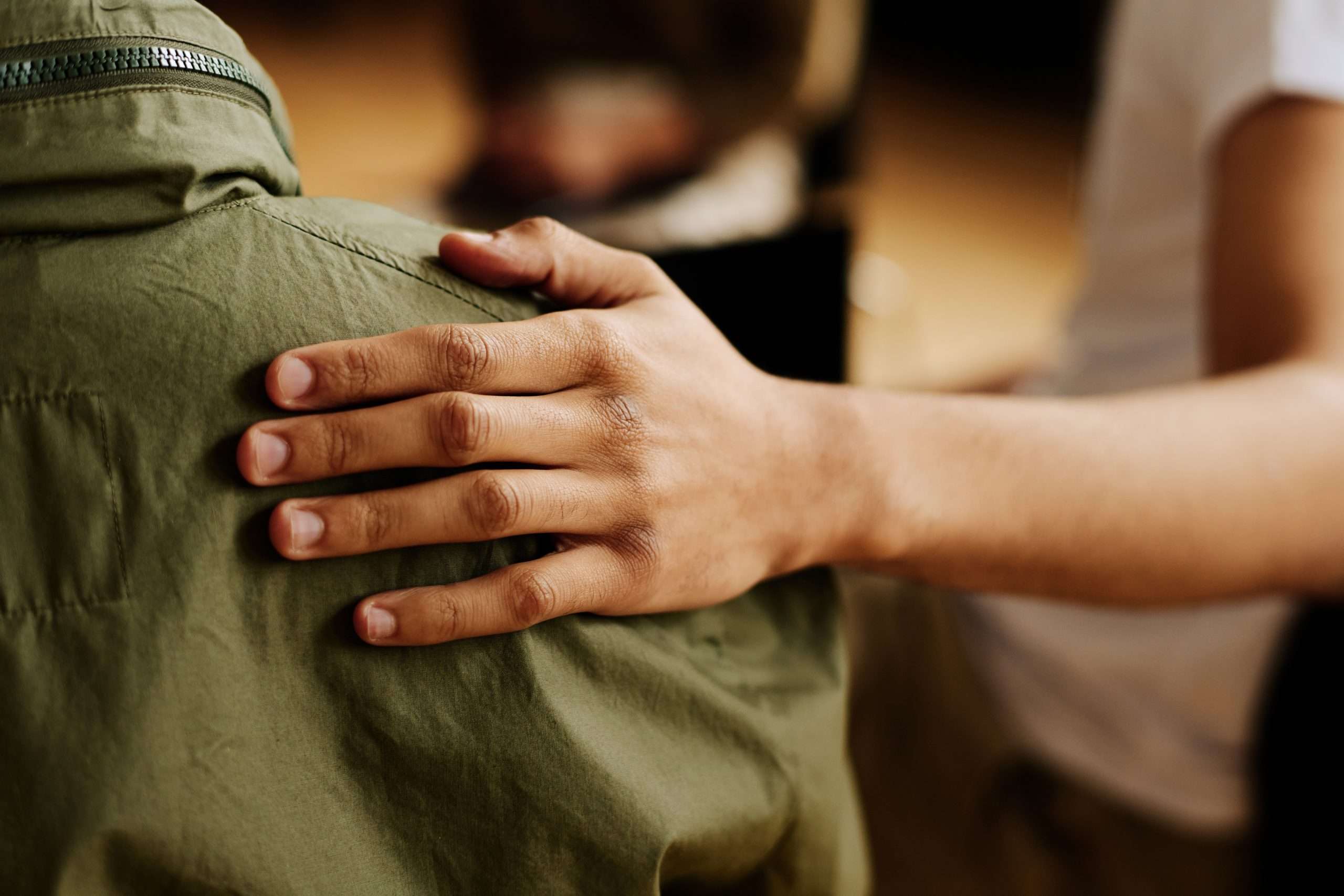
Safety begins with respect for boundaries. Unwanted physical contact erodes trust. Sexual comments, propositions, or suggestive behaviour distort the purpose of the space. Pressuring someone for money, housing, work, or private meetings pulls attention away from why we are here. When we pursue romantic or sexual relationships inside the rooms—especially with newcomers—we undermine the vulnerability that makes getting well possible. Offering access to drugs, sharing personal contact details without consent, lobbying for service positions, or exerting control through a role weakens the foundation on which recovery stands.
Such behaviour is not limited to the meeting room. Parking lots, social events, text messages, online chats, and social media all form part of the same environment. The setting does not redefine the impact. Harm remains harm, wherever it happens.
We do not need to defend our boundaries. No is a complete sentence. When concerns arise, we can raise them with a sponsor, a trusted member, a home group member, or a chairperson. Speaking up interrupts behaviour that might otherwise continue unchecked. Silence protects patterns that place others at risk.
Listening carries equal weight. When we take concerns seriously, we reinforce our shared responsibility to one another. It takes courage to name what has happened, and that courage deserves to be met with care. Dismissing or minimising reports of harm weakens trust and leaves members isolated, wondering if they were wrong to speak at all. Accountability, offered with care, strengthens the community. It does not weaken it.
Addressing unsafe conduct requires clarity and gentleness in equal measure. A direct conversation, held in a safe setting, can name what occurred and make clear that it is unacceptable. Change must follow. We can offer support without excusing harm. We can make clear that the behaviour is unacceptable while also making clear that the person is still seen, still welcome to find help. Firmness and compassion are not in conflict. Both are necessary.
Home groups carry this responsibility too. A group conscience around safety provides direction before a crisis demands it. Greeting newcomers, remaining attentive to those who seem uneasy, offering alternatives to physical contact, and creating ways for members to raise concerns privately all reinforce the safety of the space. These are not complicated measures. They are the ordinary work of a community that takes care of its people.
Recovery depends on trust. When safety weakens, some members step away, and for some the cost of leaving is serious. The atmosphere we create together determines whether the rooms remain accessible to those who need them most. That is not a small thing to be responsible for.
Our safety and our collective responsibility are not separate concerns. Each action shapes the space others enter.
The ideas in this reflection are drawn from “My Safety, Our Responsibility: In and Out of Meetings,” created by the Asia Pacific Forum of Narcotics Anonymous.
Where have I remained silent when something felt wrong—and what kept me quiet?
How do I respond when someone brings a concern forward?
What boundaries do I need to state more clearly?
In what ways does my conduct contribute to the safety of those around me?