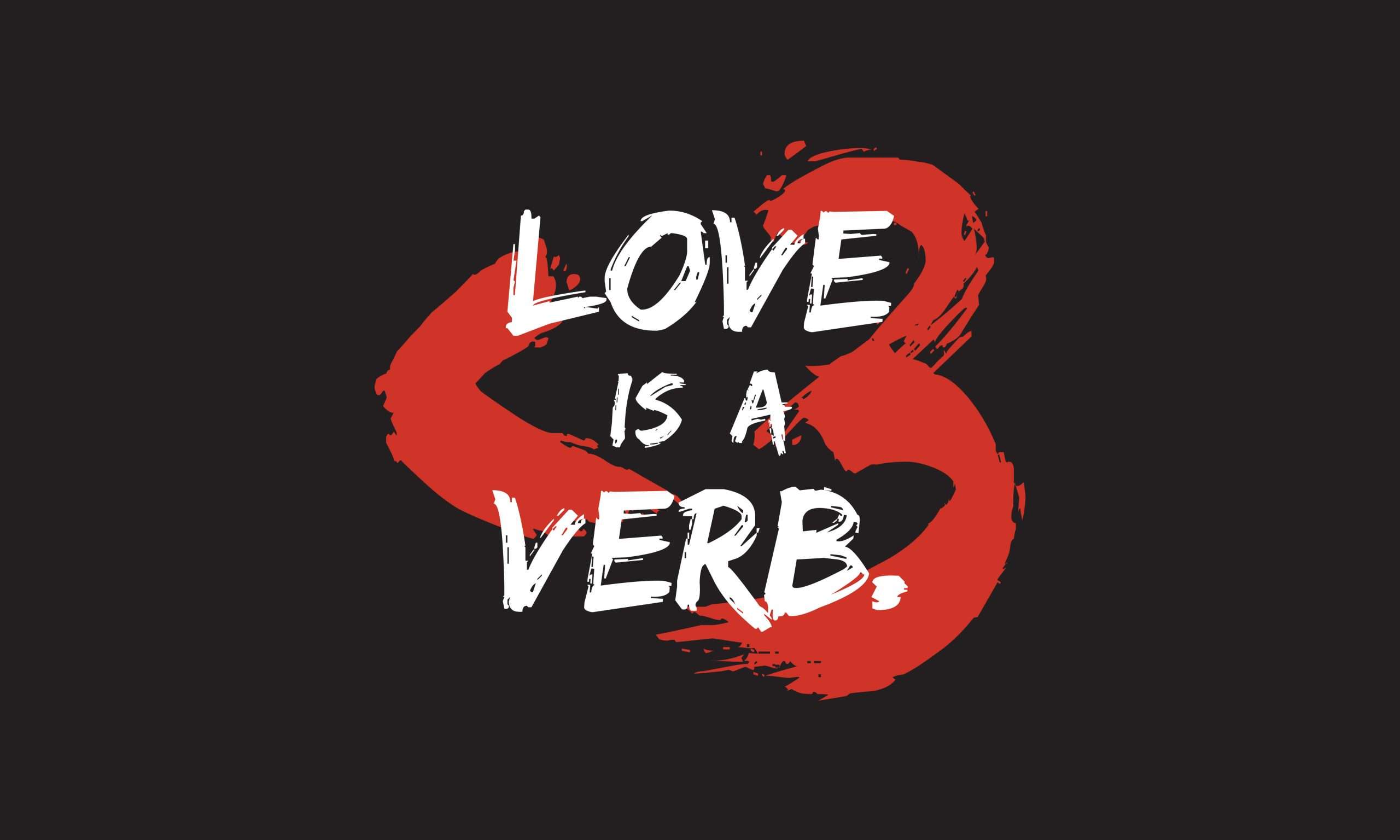


The word ‘love’ is most often defined as a noun, yet all the more astute theorists of love acknowledge that we would all love better if we used it as a verb.
— bell hooks, All About Love: New Visions (1999)
Most of us learned about love the way we learned about gravity. It was just there, or it wasn’t. We didn’t question the definition. We absorbed whatever version our families handed us and carried it forward, often without realizing how much damage that unexamined inheritance could do.
bell hooks spent years searching for a definition that actually worked. She found it in M. Scott Peck’s The Road Less Traveled, where love is described as “the will to extend one’s self for the purpose of nurturing one’s own or another’s spiritual growth.” A deliberate act. She built her book All About Love on this foundation, and it remains one of the most clear-eyed guides to what it means to practise love as a way of life.
Many of us know what it’s like to confuse intensity with intimacy, attachment with connection, need with devotion. We’ve told ourselves we loved people while treating them poorly. We’ve accepted treatment that looked nothing like care and called it love because the feeling was strong. But love and abuse cannot coexist. If we are hurtful and neglectful, we cannot claim to be loving, no matter how deeply we feel.
When love becomes a verb, it stops being something that happens to us and becomes something we choose. This echoes the recovery principle that runs through every 12-Step program. We didn’t stumble into healing. We made a decision, and then we backed it up with action, one day at a time. Love operates the same way. It isn’t sustained by grand gestures or peak emotions. It lives in the daily practice of showing up with care, honesty, respect, and commitment.
hooks grew up in a home where affection and unkindness existed side by side. She could be praised for her intelligence in the morning and shamed for it by evening. Some of us may recognize that pattern. We learned to tolerate contradiction because the alternative meant admitting we hadn’t been loved the way we needed. Naming what was missing isn’t betrayal. It’s the beginning of honest repair.
“Definitions are vital starting points for the imagination,” hooks writes. “What we cannot imagine cannot come into being.” If we can’t define love clearly, we can’t build it. If we keep the word vague, we protect ourselves from having to change. But clarity, however uncomfortable, is where growth begins. Today we begin a series that walks through hooks’ thirteen chapters on love. We start where she starts, with the courage to say what we mean.
Does the definition of love I grew up with still serve me?
Where have I confused strong feelings with genuine care?
What would shift if I treated love as something I do rather than something I feel?
What is one way I can practise love as an action today?