Join the mailing list
New AWAKENINGS in your inbox, along with occasional notes from the path.
AWAKENINGS · page 22 of 30
-
The Big Book explicitly states the wording was optional. Step 11’s flexibility honors diverse spiritual paths—from traditional prayer to mindful inquiry. What matters isn’t our vocabulary but our sincere seeking and concrete actions toward conscious contact.
-
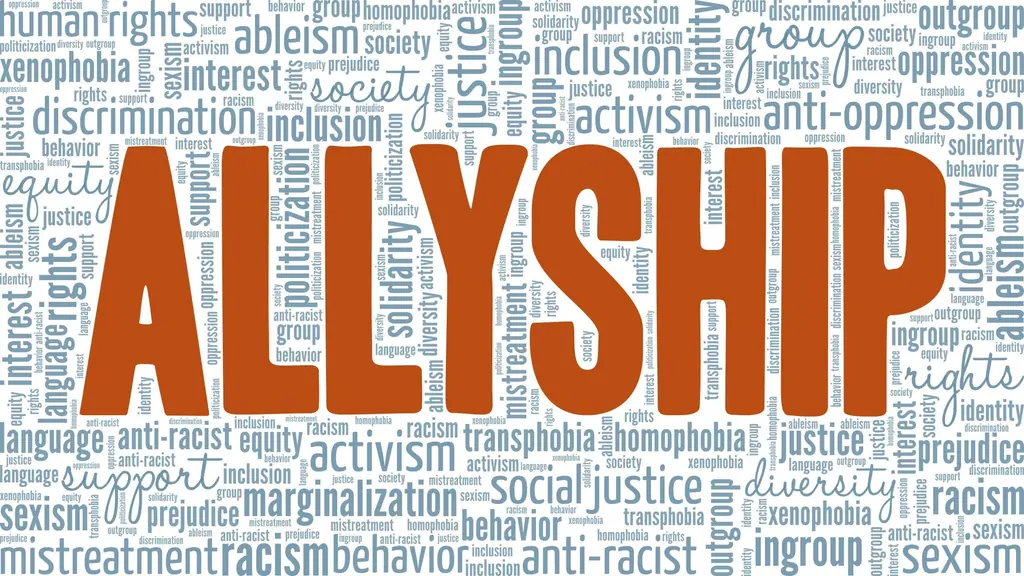
Anne Bishop teaches that all oppressions are interconnected and liberation is collective. Allyship requires moving from guilt to responsibility, using privilege with intention, and showing up in solidarity not superiority. Recovery’s Steps provide the framework for this work.
-
Safety in 12-Step groups requires facing difficult realities: we practice deep inclusion while maintaining necessary boundaries. Tradition One’s “common welfare comes first” isn’t abstract—it means protecting the vulnerable so everyone can focus on recovery without fear.
-
The ACE studies reveal addiction as adaptive response to childhood trauma. Recovery teaches us to see our coping as evidence of our will to survive, not moral failure.
-
Thích Nhất Hạnh’s teaching on interbeing reveals that nothing exists in isolation. In active addiction, isolation nearly killed me. Recovery shows the truth: I cannot recover alone. My recovery belongs to everyone who helped me get here.
-
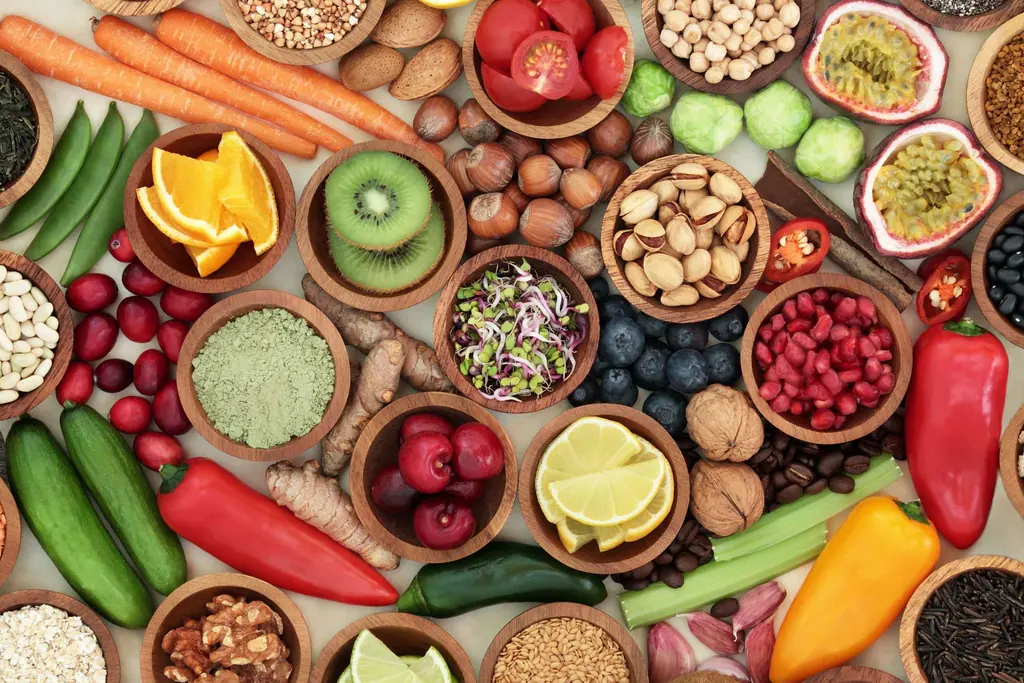
Nutrition directly shapes mood, resilience, and recovery. Dr. Drew Ramsey’s work shows how whole foods fuel neurotransmitters, reduce inflammation, and shift the brain into growth. Nourishing ourselves becomes a daily spiritual practice that strengthens clarity, stability, and emotional well-being.